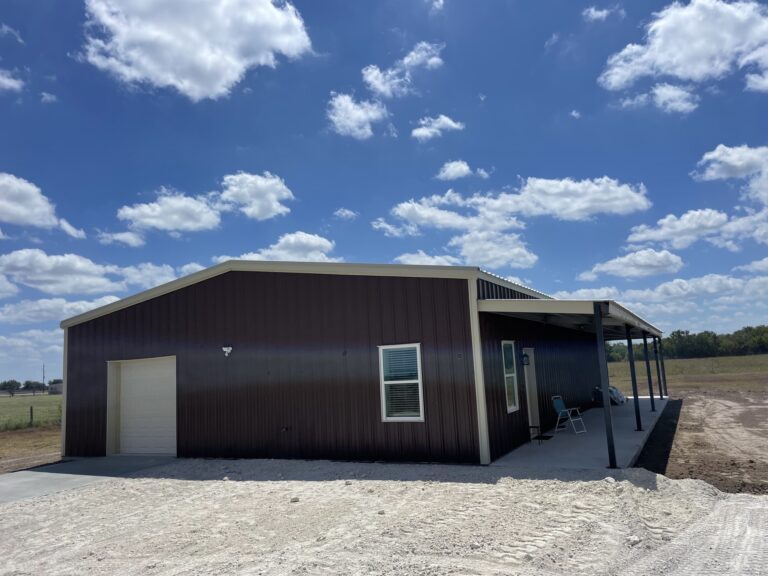

The cost to build a custom home in Fort Bend County depends on far more than square footage. Land and site conditions, the level of finish you choose, and the current price of materials all move the number, which is why a range and a clear process are more useful to you early on than a single firm figure. The most useful thing we can tell you up front is what actually drives the cost, so you can shape the budget instead of being surprised by it.
What drives the cost of a custom home?
A few factors carry most of the weight:
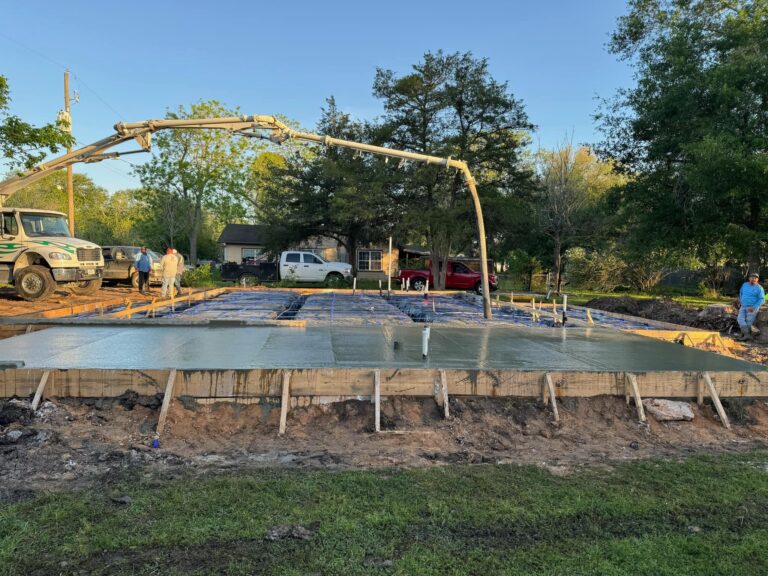
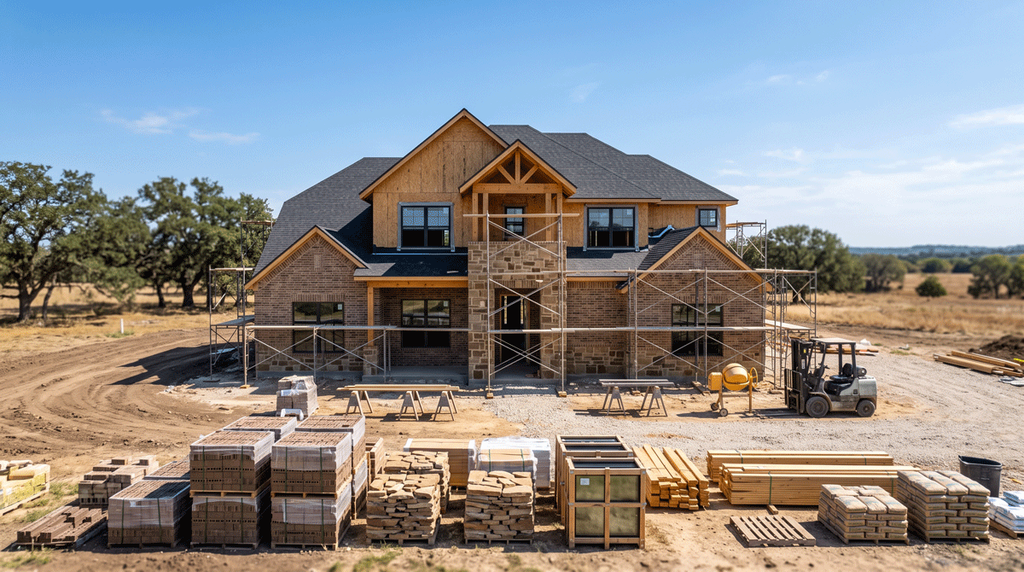
- Land and site work. A flat, cleared lot on a utility-served street costs far less to prepare than acreage that needs a well, a septic system, a longer driveway, or drainage and fill. In our area, site conditions are one of the biggest swings.
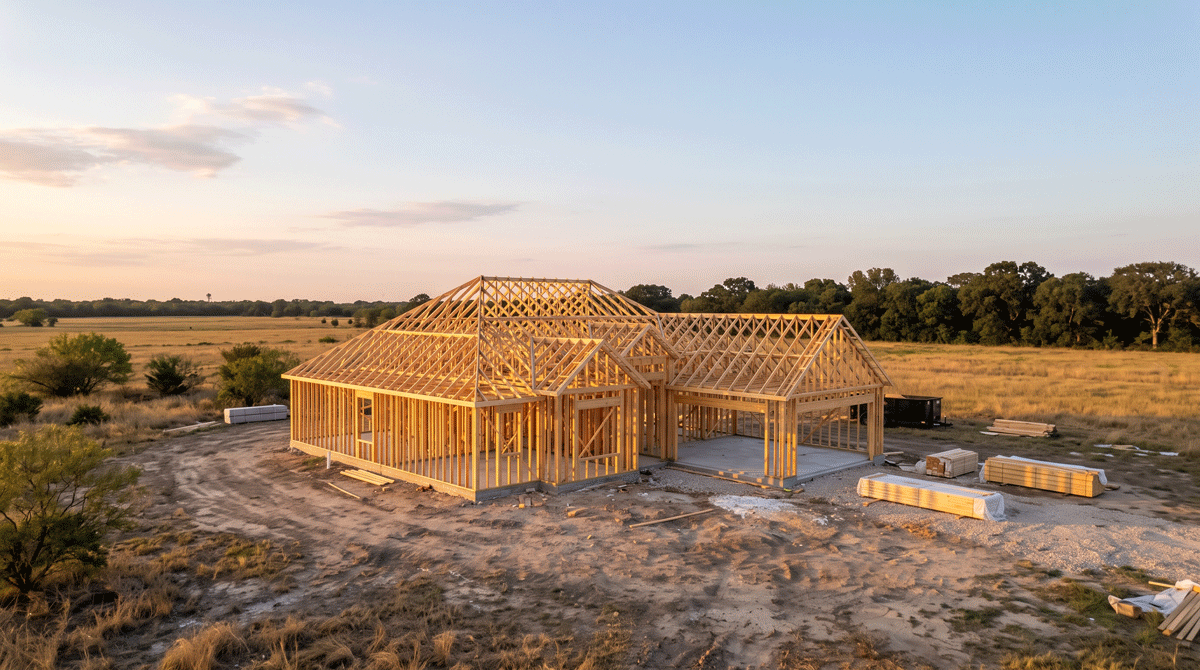
- Size and layout. Square footage matters, but so does complexity. A simple footprint is more efficient to build than one with many corners, rooflines, and custom spans.
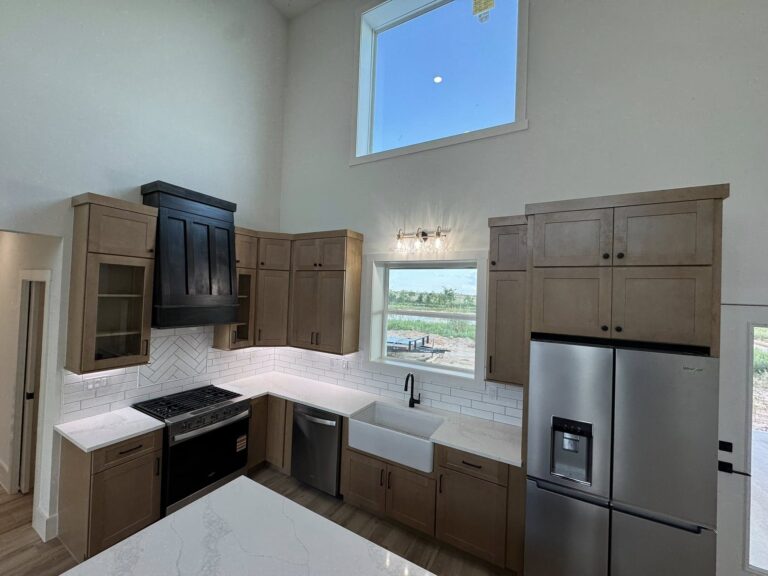
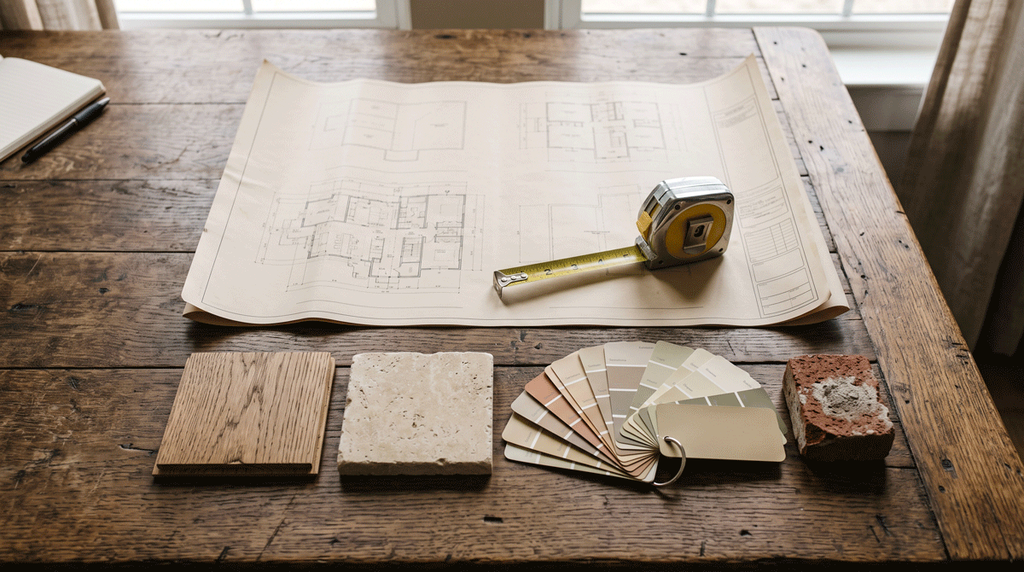
- Level of finish. The same floor plan can be built to very different price points depending on cabinetry, countertops, flooring, windows, fixtures, and trim.
- Systems and resilience. Choices like a windstorm-rated envelope or energy-efficient systems add cost up front and value over time.
- Materials market. Prices for lumber, concrete, and other materials move with the market, which is one reason a firm number set too early has to carry a margin for uncertainty.
Why won’t a builder just give me one number?
A fixed-price contract can be exactly the right structure, and plenty of good builders work that way. The trade-off is that a single firm figure has to be set before the scope and selections are finalised, so it necessarily includes an allowance for the risk the builder is taking on. If the project runs smoothly, that allowance stays in the price. If it does not, the builder absorbs it. For a homeowner who wants one number and minimal involvement, that can be a good trade.
We work differently because most of our clients want to see the decisions. We give you a realistic range up front, walk you through what moves it, then price the actual project open-book: real costs plus one clearly stated fee. You get more visibility, which also means more involvement in the choices along the way. Neither approach is automatically better. It comes down to how settled your plans are and how much you want to be in the detail.
How can I keep my custom home budget under control?
The homeowners who stay on budget tend to do the same things: they settle the scope early, make their big selections before framing rather than during, and keep a sensible contingency for site surprises. Working with an open-book builder helps because you can see the cost of a change before you commit to it, which turns budgeting into a series of informed choices instead of a running tally you only understand at the end.
Does building custom cost more than buying?
Sometimes, but not always, and the comparison misses the point for most of our clients. A production or spec home is priced to a market. A custom home is priced to you: your lot, your layout, your finishes, and the way you actually live. You are paying for a home built once, for you, rather than one built to a template. For many Fort Bend County families building a forever home, that is the whole reason.
Frequently Asked Questions
How much does it cost to build a custom home in Fort Bend County?
It depends on land, size, finish level, and the materials market, so any honest answer is a range until the scope is set. We give you a realistic range early, then price the real project open-book.
Is it cheaper to build or buy?
It varies. Custom building is priced to your lot and choices rather than a market template, so the value is a home built specifically for you, not always a lower sticker price.
What adds the most unexpected cost?
Site work. Acreage, drainage, utilities, and access can move a budget more than finishes, which is why we assess the lot early.