
You've secured your land, finalized your floorplan, and you're ready to break ground on your dream barndominium. The calendar says June, the weather is clear, and you want to get moving.
But here's the truth most builders won't share upfront: June is arguably the worst month to start a modern barndominium build in Needville. Not because the work can't happen, but because the convergence of extreme heat, subcontractor availability, material lead times, and Gulf Coast hurricane season creates a perfect storm of delays and budget pressure that smarter timing would avoid entirely.
Starting a barndominium in June typically pushes your move-in date into late winter or early spring of the following year, and the path between groundbreaking and final walk-through will be longer, hotter, and more expensive than it needs to be. Let's walk through exactly why, and when you should start instead.
[construction site in Needville, Texas summer heat]
The Concrete Problem: Curing in 100-Degree Heat
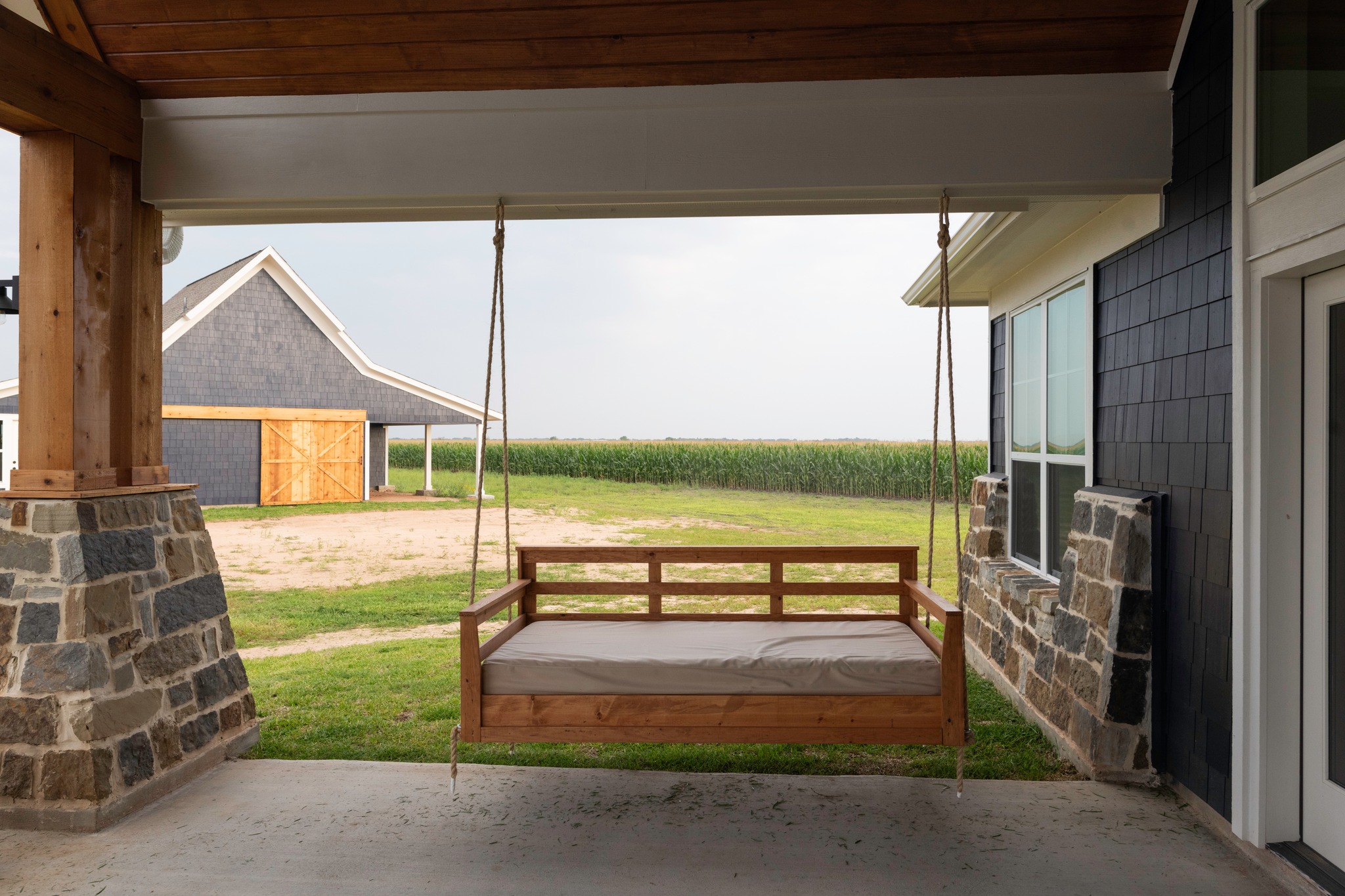
Your slab is the foundation of everything. In Fort Bend County, that means a post-tension slab engineered for our expansive clay soil. June means pouring concrete when daytime temperatures routinely hit 98 to 105 degrees.
Why Extreme Heat Complicates the Pour
Concrete doesn't just dry. It cures through a chemical reaction that requires moisture and time. When ambient temperatures exceed 90 degrees, surface moisture evaporates faster than the concrete can hydrate. The result: surface cracking, reduced long-term strength, and costly repairs before you've even framed a wall.
To mitigate this, your crew has to:
- Pour before 7 a.m. or after 6 p.m. (which limits truck availability and increases labor costs)
- Use chilled water or ice in the mix (adds cost per yard)
- Apply curing compounds and continuous water misting for 7+ days
- Cover the slab with wet burlap or plastic sheeting
All of this is doable. But it's also avoidable. An October or November pour happens in 70-degree weather with natural humidity. The concrete cures predictably, the crew works normal hours, and you're not paying heat-mitigation premiums.
Post-Tension Cable Stress in Heat
Post-tension slabs rely on steel cables tensioned after the concrete reaches minimum strength. High heat accelerates the initial set but can create uneven curing across the slab thickness. If tensioning happens before the core reaches proper strength, you risk long-term structural issues that won't show up until years later.
We've been building on Fort Bend County clay since 1999, and we've learned to add buffer days in summer pours. That's smart. But it also stretches your timeline by a week or more right out of the gate.
Subcontractor Schedules: Vacation Season and Packed Calendars
June kicks off summer vacation season. Your electrician's family has booked a week at the coast. Your HVAC installer is taking his kids to visit grandparents. Your framing crew has been working 60-hour weeks since March and they're burned out.
The Reality of June and July Availability
In rural Texas, subcontractors are people, not corporations. They take vacations. They attend family reunions. They need time off.
When you start in June, you're asking your subs to commit through the two months when they're least available. Even the pros we've worked with for 20+ years will tell you upfront: summer schedules are tighter, and you'll wait longer between phases.
Why This Matters for Your Timeline
A typical barndominium build runs 4 to 6 months under ideal conditions. Start in June, and you're threading the needle through July 4th, family vacations, and the late-summer push when every other builder is trying to close out projects before school starts.
The result: phases that should take two weeks stretch to three. A project that should finish in November drags into January.
If you start in September or early October, you're working with subs who are back, rested, and motivated to lock in work before the holidays. Your timeline compresses, and you move in sooner.
Material Lead Times: Summer Demand Peaks
June sits at the peak of national construction season. Builders from Dallas to Denver are ordering the same materials you need: steel I-beams for your barndominium frame, Andersen windows, James Hardie siding, Rinnai tankless water heaters.
Steel and Structural Materials
Modern barndominiums rely on steel framing or steel-reinforced wood trusses. Steel fabricators run 8 to 12 weeks out in summer. Order in June, and you're looking at August or September delivery, assuming no supply chain hiccups.
Order the same materials in October, and lead times drop to 6 to 8 weeks. You're competing with fewer projects, and manufacturers have excess capacity.
Windows, Doors, and Specialty Items
Custom window packages (especially the large-format steel-framed units popular in barndominiums) can take 10 to 16 weeks in peak season. Miss your delivery window, and your framing crew sits idle while you wait.
We've seen projects stall for three weeks because a single custom sliding door was backordered. That's not a builder problem or a homeowner problem. It's a timing problem.
Hurricane Season Prep: June Through November
The Atlantic hurricane season runs June 1 through November 30. Needville sits far enough inland that direct strikes are rare, but we're close enough to the coast that tropical storms, heavy rain bands, and severe weather are real considerations.
Framing and Roofing Exposure
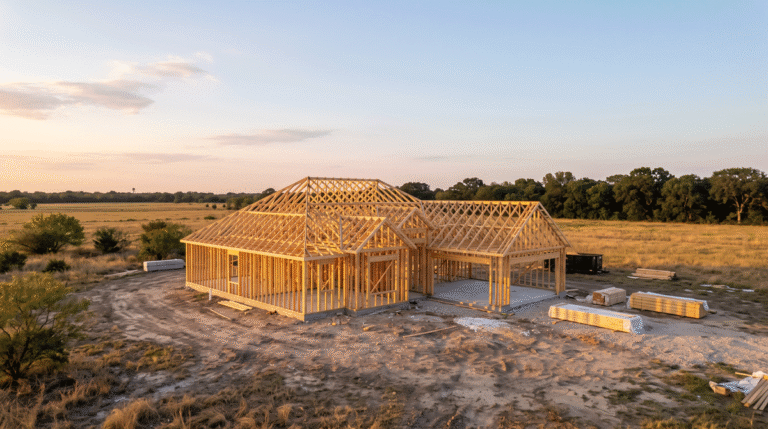
If your barndominium is framed but not dried in (roof sheathing, Zip System panels, and weather barrier installed) when a tropical system rolls through, you're looking at soaked lumber, delayed inspections, and potential mold remediation before you've even started insulation.
Why Fortified Construction Matters Year-Round
At Hawkeye Construction, every home we build meets the Fortified Building Standard, which means your structure is engineered to withstand windstorms that would damage code-minimum builds. But even Fortified homes need to be dried in before severe weather hits.
Starting in June means your most vulnerable construction phases (framing, sheathing, roofing) fall squarely in peak hurricane season. Start in October, and you're dried in before the next summer's storms arrive.
Material Staging and Site Prep
Heavy rain turns construction sites into mud pits. Expansive clay soil in Fort Bend County swells when saturated, which complicates grading, foundation prep, and material delivery. June through September brings afternoon thunderstorms 3 to 4 days per week.
Your timeline doesn't just stretch because of weather delays. It stretches because every phase takes longer in wet conditions.
The Cost Creep You Won't See Coming
None of these challenges are catastrophic on their own. But they stack.
Budget Impact of June Starts
Here's what happens when you start in June:
- Concrete mitigation (chilled mix, off-hours pours, extended curing): adds time and labor
- Subcontractor overtime or expedite fees to work around vacation schedules
- Material cost premiums during peak season (steel, windows, HVAC units)
- Extended construction loan interest because your 5-month project became 7 months
- Potential weather-related repairs or mold prevention if framing gets soaked
We operate on an open-book Cost Plus model, so you'll see every one of these costs in your QuickBooks download. No surprises, no hidden markups. But transparent doesn't mean free. These costs are real, and they're avoidable with better timing.
What Smarter Timing Looks Like
The ideal start windows for a Needville barndominium:
- Late September through October: Cooler temps for concrete, subs are back and available, material lead times shrink, you're dried in before December weather, move-in by late winter or early spring
- January through February: Mild winter allows steady progress, you're framing in comfortable weather, dried in before summer storms, move-in by late summer
Starting in these windows doesn't just save money. It shortens your timeline by 4 to 8 weeks compared to a June start.
What If You're Locked Into a June Start?
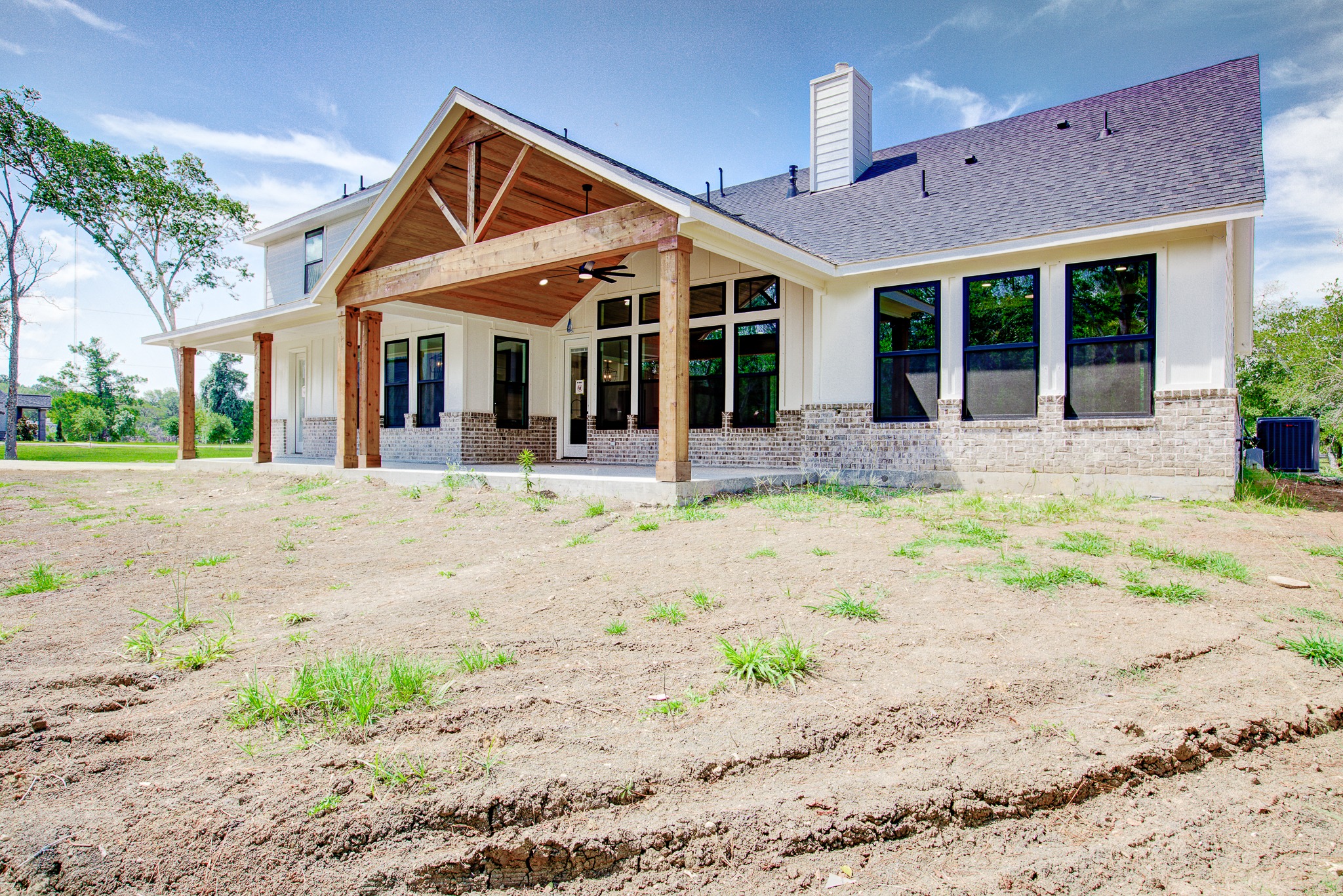
Sometimes timing isn't negotiable. You've sold your existing home, your lease ends in July, or your land financing requires you to break ground by a certain date.
If June is your only option, here's how to mitigate the risks.
Pre-Order Materials in March or April
Don't wait until groundbreaking to order steel, windows, or specialty items. Lock in your material package 8 to 12 weeks early. You'll pay for storage, but you'll avoid the summer backorder nightmare.
Build Extra Buffer Into Your Timeline
Assume a 6-month project will take 7. Plan your temporary housing, construction loan, and move-in date accordingly. Hope for 6 months, plan for 7.
Prioritize Drying In Before August
Work with your builder to compress the framing and roofing phases. Getting your Zip System panels and roof installed by late July dramatically reduces weather risk for the rest of the build.
Accept the Cost Trade-Offs
If you're starting in June, you're trading speed and cost efficiency for schedule certainty. That's a valid choice, but make it with eyes open. Ask your builder for a transparent breakdown of seasonal cost differences so you can budget accurately.
Why We're Telling You This
Most builders won't talk you out of a June start. They'll take the contract, add buffer into the timeline, and let the schedule slip without explanation.
We've been building in Fort Bend County since 1999, and we've learned that the best projects start with honest conversations. If June is your only window, we'll build your barndominium and build it right. But if you have flexibility, we're going to tell you the truth: waiting until fall will save you time, money, and stress.
That's the Hawkeye difference. Radical honesty, open-book pricing, and 25+ years of experience building homes that last. We don't pocket subcontractor discounts. We don't hide seasonal cost premiums. We show you the numbers, explain the trade-offs, and let you make the call.
How to Choose Your Optimal Start Date
Every project is different. Your optimal start date depends on:
- Your current housing situation and move-in deadline
- Your construction loan terms and interest carry costs
- Material lead times for your specific finishes and systems
- Subcontractor availability in your area
- Your risk tolerance for weather delays
The Planning Process That Actually Works
Here's how we help clients find their best start window:
- Discovery call: We map out your must-have move-in date, budget, and site conditions
- Material pre-pricing: We get quotes and lead times for your steel, windows, and systems
- Timeline modeling: We build two schedules (your preferred start vs. optimal start) and show the cost and duration differences
- Transparent recommendation: We tell you which window makes the most sense and why, with full QuickBooks cost breakdowns for each scenario
No pressure, no upselling. Just the information you need to make a smart decision.
The Bottom Line on June Starts
Starting your barndominium in June is possible. But it's not optimal.
You'll face hotter concrete pours, tighter subcontractor schedules, longer material lead times, and hurricane season exposure during your most vulnerable construction phases. Your 5-month timeline stretches to 6 or 7 months, and your budget creeps up through a dozen small premiums that add up fast.
If you can wait until late September or early October, you'll save 4 to 8 weeks and several thousand dollars. Your project will run smoother, your subs will be more available, and you'll move in sooner.
If June is your only option, we'll make it work. But we'll also be upfront about what that choice means for your timeline and budget.
Frequently Asked Questions
What is the best month to start building a barndominium in Texas?
Late September through October offers the best combination of moderate temperatures, subcontractor availability, and shorter material lead times. You'll finish before summer storms return, and your concrete cures in ideal conditions without heat-mitigation costs.
How long does a typical barndominium take to build in Needville?
Most modern barndominiums in Fort Bend County take 4 to 6 months from groundbreaking to move-in under normal conditions. Summer starts can stretch that timeline to 6 or 7 months due to weather delays, subcontractor vacations, and extended material lead times during peak construction season.
Does starting in summer actually cost more?
Yes. Summer starts typically add costs through concrete heat mitigation, subcontractor overtime or expedite fees, peak-season material pricing, and extended construction loan interest. The total impact varies by project but can add several thousand dollars compared to a fall or winter start with identical specs.
What if my land financing requires me to start in June?
Pre-order your materials 8 to 12 weeks early, build extra timeline buffer (plan for 7 months instead of 5), and prioritize getting the structure dried in before peak hurricane season. Work with a builder who uses transparent Cost Plus pricing so you can see exactly where seasonal costs appear and make informed trade-offs.
Your barndominium is likely the largest investment you'll make. The start date matters more than most people realize. Schedule a project timeline consultation with Hawkeye Construction, and we'll walk through your specific situation, show you the cost and schedule differences between start windows, and help you choose the timing that makes the most sense for your budget and move-in goals. No generic advice, no hidden agendas. Just honest guidance from a builder who's been doing this in Needville since 1999.